The Summer Reading List That Gets Your Kid Hooked
There is a specific kind of parenting shame that hits in early September, and it goes by a clinical name: the summer slide. I know it intimately because I lived it. My twins finished second grade in June, and I told myself we’d read every day. I had the best intentions, the library cards, the reading logs from school. And then life happened. We did Disney. We did the pool. We did camp pickups and late bedtimes and “just one more episode.” By the time September rolled around, my daughter hadn’t finished a single book all summer.
The moment that changed everything was a five-minute chat at back-to-school night. Her teacher, very kindly, handed me a skills-assessment sheet and circled three areas where my daughter had slipped backward over summer break. Not stalled. Backward. Three months of reading progress, gone. Here’s the math that wrecked me: we spent the first six weeks of third grade just getting back to where June had ended. That’s a full quarter of the school year running in place.
That year, I decided I was done hoping my kids would magically pick up a book. I was going to engineer it. What I built is our Summer Kindle Stack, a specific sequence of six books in a deliberate order, each one solving a different piece of the “my kid won’t read” puzzle. Here’s how these six books turn the summer reading struggle into something you actually win, mama.
This post contains affiliate links. As an Amazon Associate I earn from qualifying purchases, at no extra cost to you!
The 2026 Summer Kindle Stack for Elementary Kids
The Easy-Win Hero: When They Say They Hate Reading
Why we love it:
The single biggest mistake families make with summer reading is starting too hard. A kid who “doesn’t like reading” isn’t going to become a reader by tackling a 300-page chapter book on day one. They become a reader by finishing something short and feeling genuinely proud of themselves, and that is the only job of the first book on this list.
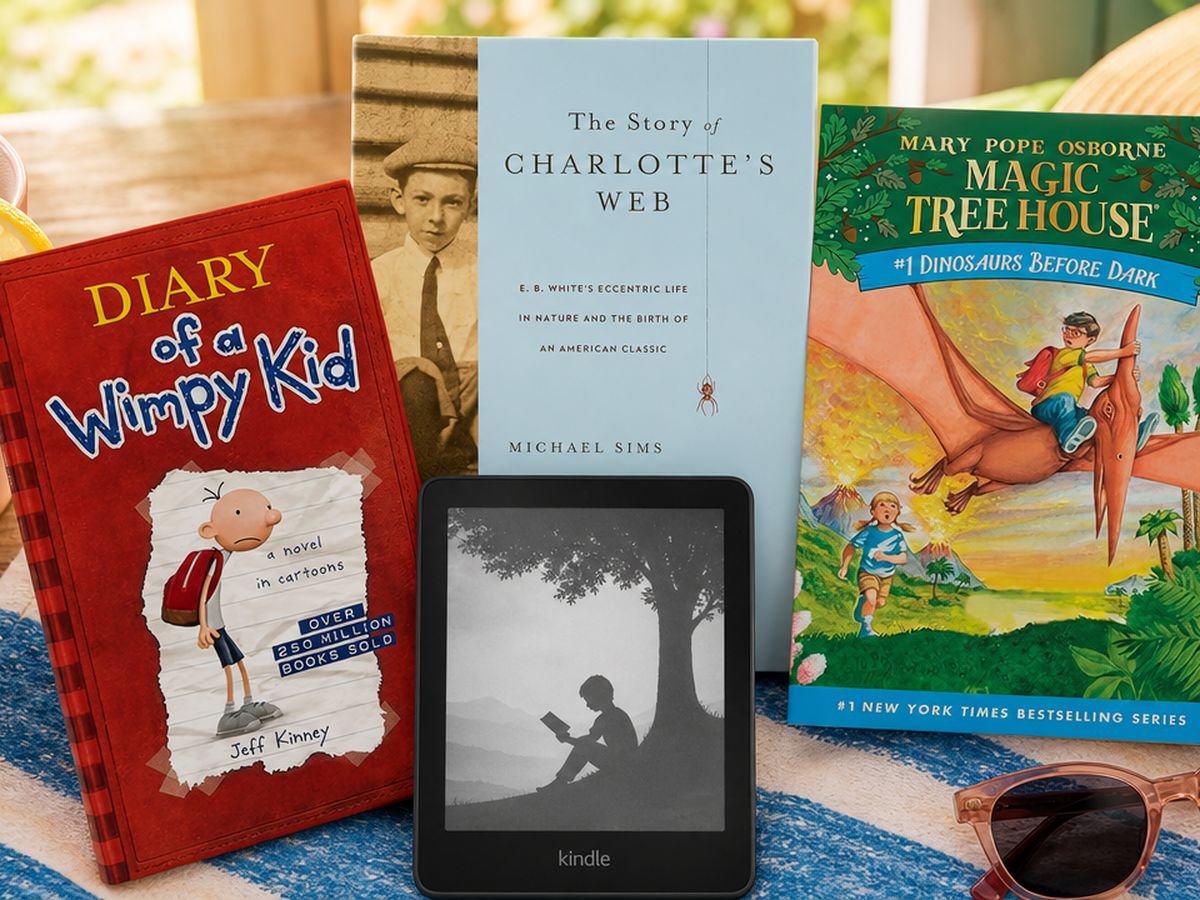
Magic Tree House is the entry point for every reluctant reader in our house. The books are short (most run under 80 pages), the chapters are punchy and quick, and the adventures are just exciting enough to keep a six- or seven-year-old moving forward without effort. My son picked up Book 1 after dinner one night and came back forty-five minutes later having finished the whole thing. He was so proud he made me take a photo of him holding the Kindle.
That is the magic of starting here. The first book doesn’t need to be the most literary thing on the shelf. It needs to be the book that proves to your kid, in a single afternoon, that finishing a book feels amazing. The Kindle format is especially effective for reluctant readers because a slim digital book is far less intimidating than a thick paperback sitting on a nightstand, staring at them like homework. Once Book 1 is done, Book 2 is right there waiting, and then there are 27 more after that. By the time they’ve read three or four, the habit is already built.
- The win: A 45-minute read that ends with “Can I start the next one?”
- The time-save: Under 80 pages means even a resistant reader doesn’t feel trapped by the length
-
The habit-builder: A 29-book series means the next read is already cued up and waiting
-
Real talk: The reading level is solidly ages 6 to 8. If your kid is already a strong reader, they’ll blow through these quickly and will need the next book on this list sooner than you expect.

Once your kid has that first “I finished a book” win locked in, the next challenge is keeping them engaged long enough for reading to become a real habit. And for that, you need something that makes them laugh.
The Reluctant Reader Game-Changer
The Sanity-Saver:
Here is the honest truth about Diary of a Wimpy Kid: it is not high literature, and it is also responsible for converting more elementary-age kids into actual readers than almost any other title published in the past twenty years. I’ve watched this happen with my twins, with my neighbor’s son who now reads constantly, and with basically every kid in our carpool who used to say “reading is boring.”
The genius of the Wimpy Kid series is the format. It’s a diary, which means there are no long uninterrupted passages, plenty of illustrations, and short punchy sections that feel less like traditional reading and more like being let in on a hilarious secret. Greg Heffley’s disasters are deeply relatable to any kid who has ever felt awkward, a little misunderstood, or one bad decision away from complete humiliation at school. That’s all of them, by the way.
There are 17 books in the series as of 2026, which means once your kid is hooked, you have an entire summer of reading handled without a single argument. The Kindle versions are well-formatted, the illustrations load cleanly, and starting with Book 1 triggers the most satisfying reading domino effect I’ve ever seen in a reluctant reader. My neighbor says this series is the sole reason her son is a reader at all today, and she’s not exaggerating.
- The payoff: They finish the book laughing out loud and immediately ask what happens next
- The flow-maker: The diary-style format feels less like “reading” and more like being in on a running joke
-
The game-changer for reluctant readers: Genuine, actual proof that books can be funnier than anything on their iPad
-
Fair warning: The humor is classic middle-grade snark. Some parents find Greg a little too snarky or entitled. Read the first chapter yourself before handing it over if you’re unsure about the tone for your kid.

So now you’ve built an easy win and a genuine laugh. But eventually, your kid needs to discover that books can do more than entertain. This next one is the bridge that gets them there.
The Emotional Anchor Factor
Why it makes mornings easier:
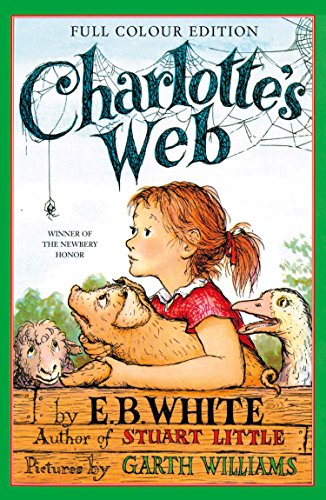
After two quick, funny reads, your kid now has a real reading habit. The next step is introducing them to what a book can actually do, and Charlotte’s Web has been doing exactly that for elementary-age readers for over seventy years. There’s a reason it’s never gone away.
I’ll be honest: I was initially skeptical about putting a classic on a summer Kindle list. But after reading through hundreds of reviews and parent discussions in school community groups, the consistent theme is unmistakable. Charlotte’s Web is the first book many kids have ever genuinely cared about. Not just liked. Cared about. It introduces friendship, loyalty, and loss in a way that is completely age-appropriate, emotionally moving without being overwhelming, and the ending is one of those formative reading experiences that kids carry for years.
At 184 pages, it’s longer than the first two on this list, but the chapters are short and the pacing keeps moving steadily. The Kindle edition includes the original illustrations and reads beautifully on any screen. I’ve heard from so many mamas in our school community that their kids cried at the ending and then immediately wanted to tell everyone in the house about it. That is a reader. You’re not building a kid who tolerates books anymore. You’re building a kid who feels things because of them.
- The relief: Introduces emotional depth in a way that is fully age-appropriate and not scary
- The payoff: Kids who cry at a book’s ending tend to spend the rest of summer searching for that feeling again
-
The habit-builder: At 184 pages, it’s a genuine stamina milestone after the shorter entry-level books
-
One thing to know: The ending is sad. Prepare your kid for some big feelings and have the post-book conversation ready. This is a feature, not a flaw.
With an easy win, a big laugh, and their first real emotional connection to a story, your kid is officially a reader now. It’s time to hand them something that carries them all the way through August.
Why It Solves the Summer Boredom Spiral
The After-School Win:
There is a specific moment in late July when every mama I know hits the wall. The kids are bored, the novelty of summer has fully worn off, and you are completely out of planned activities. If your kid is a reader by that point in the summer, this problem basically solves itself. The book that creates that kind of reader, for kids ages 9 and up, is Percy Jackson and the Lightning Thief.
My sister-in-law’s son discovered Percy Jackson at the end of third grade and finished all five books in the original series before school started in September. He went from a kid who said he would rather do literally anything than read to a kid who brought a book to his own birthday party. Rick Riordan’s writing is fast-paced, consistently funny, and genuinely suspenseful in a way that makes kids flip pages without even noticing the time passing.
What makes it exceptional as a summer book is the five-book arc. Once your kid finishes Book 1, they are already thinking about Book 2. Once Book 2 is done, Book 3 is the obvious next move. You don’t have to hunt for another great recommendation or convince them to start something new. The series handles all of that for you, which is a total mom win in the middle of July when your brain is already running on fumes.
- The win: Five-book series means you’re not searching for the next great recommendation until fall
- The habit-builder: Addictive pacing makes reading feel like watching their favorite show, but better
-
The game-changer for upper elementary: Blends Greek mythology with real humor in a way that makes history class feel relevant and cool
-
Skip this if: Your kid is in first or second grade. This series is firmly for ages 9 and up. Younger kids will find the vocabulary and length daunting, and that could undo all the progress made earlier in the summer.

Percy Jackson handled the adventure hook and the five-book series obsession. The next one goes even deeper into the “I cannot physically stop reading” territory, and it’s the title that parents consistently say turned their kid into a lifelong reader.
The Series Saver: The One That Replaces Screen Time
Why This Earns Its Spot:
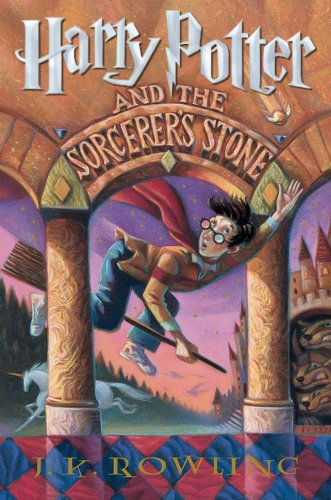
I’m going to say the obvious thing: Harry Potter and the Sorcerer’s Stone belongs on this list. It belongs on every summer reading list. And it will continue belonging on summer reading lists long after we’re all gone.
But here’s why I want to be specific about its place in this sequence. By the time your kid reaches Book 5 on this list, they have already built real reading stamina, proven they can finish books independently, and learned that stories can be funny, moving, and adventurous. That is exactly when Harry Potter lands perfectly. Book 1 is 309 pages, which might have felt overwhelming in June but now feels completely manageable. You’ve been building toward this one all summer.
After spending a lot of time reading through school reading lists, parent forums, and book club threads, Harry Potter consistently tops the list of “the book that made my kid a reader.” The reason is the world-building. Hogwarts is so fully realized and immersive that kids don’t feel like they’re reading. They feel like they’re actually there. My twins both hit Book 3 before we even realized how many weeks had passed. Once your kid finishes Book 1, there are six more in the series, which means the reading habit runs straight through the school year and well into next summer.
- The relief: Once they start, kids often read for hours without needing a single reminder from you
- The payoff: Seven books in the series means reading is taken care of through next summer
-
The flow-maker: The immersive world makes reading time something kids choose over screens without being asked
-
The honest trade-off: Books 4 through 7 get significantly darker and longer. Book 1 is perfect for ages 8 and up. Know your kid’s emotional readiness before letting them race through the later books.
You’ve built the reading habit, the series obsession, and the world-building addiction. This last book closes the summer with something that matters well beyond the final page.
The Sanity-Saver
The Routine Payoff:
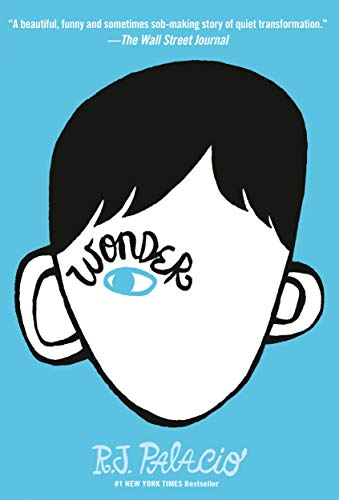
Every strong summer reading list ends with a book that asks your kid to think about someone other than themselves. For ages 8 to 12, there is no better book for that than Wonder by R.J. Palacio.
Wonder tells the story of Auggie Pullman, a fifth grader with facial differences starting school for the first time, and it is one of those books I think every parent should read alongside their kid. I’ve personally read it twice. What makes it extraordinary for elementary readers is that it tells the same story from multiple perspectives, including Auggie, his older sister, and several classmates. Kids experience how the exact same moments can look completely different depending on where you’re standing. That is not something kids learn easily in life, but it clicks remarkably fast in a story.
This is the book that teachers love, that appears on more school fall reading lists than almost any other title for this age group, and that parents consistently report their kids talk about for weeks after finishing. More than that: kids who read Wonder talk differently about kindness, inclusion, and what it means to be a good friend. That’s not just a great summer read. That’s a formative one, and you’ll be glad it was part of your kid’s summer.
- The payoff: Kids who read Wonder carry its themes of kindness and inclusion into the school year in a real way
- The win: Multiple perspectives make it accessible for strong readers and those still building stamina
-
The relief: It frequently lands on school fall reading lists, so summer reading counts directly as academic prep
-
Real talk: Some scenes involving bullying are intense, and they are meant to be. If your kid is sensitive, read it with them and have the conversation as you go. Those conversations are half the value of the book.
Building the Summer Reading System That Works
Remember the September teacher meeting I described at the start? The one where my daughter had slipped backward over summer break, and we spent the first six weeks of third grade just making up lost ground? That was the last time that happened in our house.
Here’s what the Summer Kindle Stack actually does. Magic Tree House gives your kid the easy first win, the proof that they can finish a book and feel great about it (solve #1). Diary of a Wimpy Kid shows them that reading is actually, genuinely fun and can make you laugh out loud (solve #2). Charlotte’s Web introduces the emotional depth that turns a casual reader into someone who cares about books in their bones (solve #3). Percy Jackson hands them a five-book adventure series that carries them all the way through July and August without a single “what do I read next?” (solve #4). Harry Potter creates an immersive world that replaces screen time without an argument (solve #5). And Wonder closes out the summer with a book that makes them a more empathetic, thoughtful person heading into the new school year (solve #6).
All six of these are on Kindle, which means no trips to a library for a book that’s already checked out, no waiting for shipping, no lost paperbacks at the bottom of a beach bag. Your kid can be reading in the car on the way to the pool, in the hotel room on vacation, or curled up in their favorite spot ten minutes from right now. No setup required, no nagging, no reading logs to remember.
This is how you win summer reading, mama. Not by fighting. Not by limiting screen time or bribing with rewards. By putting the right books in front of them in the right order and letting the books do the heavy lifting. The summer slide does not happen when your kid actually wants to keep reading.
You’ve got this, mama! I’d love to know which book your kid ends up loving most this summer. Drop a comment below and tell me how the Summer Kindle Stack worked in your house!
If you’re putting together the rest of your summer plan, you might also love my posts on screen-free toddler activities and morning routine tips for kids.
Don’t forget to pin this article!