The Back to School Setup That Saved My Mornings
Let me tell you about the first Tuesday in September.
My middle-schooler’s backpack was in the car from Friday’s soccer practice. My daughter was still looking for her homework folder at 7:06 AM. My son had his shoes on since 6:45, which is sweet, but when a seven-year-old is voluntarily wearing shoes at 6:45, it means he’s scared the bus is going to leave without him. And I was standing at the kitchen counter holding a lunch box that still had yesterday’s leftovers in it. I had told myself at 10 PM the night before that I’d rinse it in the morning. I had not rinsed it.
The bus came at 7:15.
Here’s the thing: that was our second week of school, not our first. We’d already had a full week to figure this out. I’d bought new supplies, labeled everything, printed the school calendar, and done all the August things. And we were still standing in a 7 AM scramble where I yelled three times and one kid cried and someone definitely left without their signed permission slip.
The problem wasn’t effort. The problem was that I hadn’t built a system. I’d bought stuff, but stuff without structure is just more clutter. What finally changed things was getting intentional about six specific back to school essentials that work together as a whole, not just alongside each other.
Here’s how those six things turned that chaos into mornings that actually run.
This post contains affiliate links. As an Amazon Associate I earn from qualifying purchases, at no extra cost to you!
The 6 Back to School Essentials That Changed Our Whole Morning
The Morning Flow Maker: When the Bag Works, Everything Works
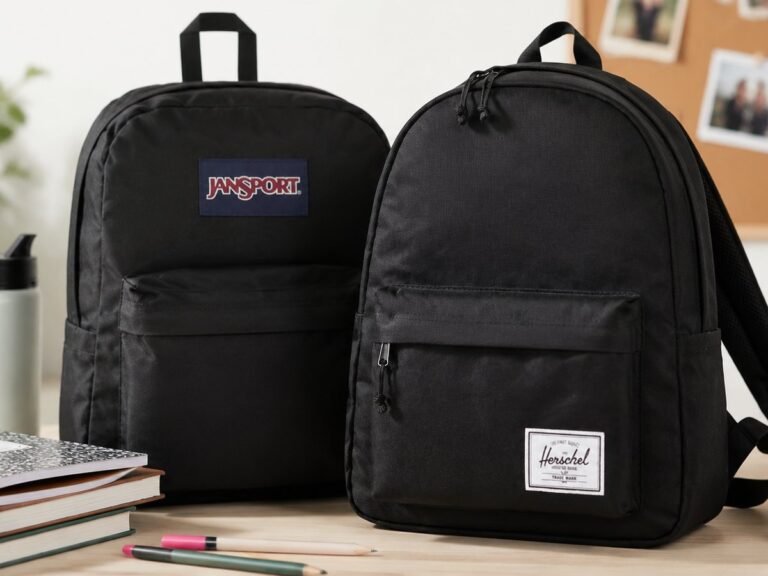
Here is what I know now that I did not know in August: a backpack is not just a backpack. The right backpack is the anchor of the whole morning system. Because if the backpack has built-in organization, kids can repack it themselves. And if kids can repack it the night before, the morning bag check becomes a 30-second scan instead of a 15-minute excavation.
Why we love it: The feature that changed everything for us was multiple distinct compartments. A main compartment big enough for a binder and two folders. A front zip pocket for snacks, pencils, and small items. A side mesh pocket sized for a water bottle. When every category of school stuff has its own designated slot, kids can pack independently without you hovering and directing. They know where the homework folder goes. They know where the pencil case goes. The whole “where is my thing” morning question disappears when the bag has structure built into it.
Padded shoulder straps matter more than they sound. When a bag is comfortable, kids wear it consistently and stop complaining about it. A chest clip helps distribute the load so it doesn’t pull back on smaller frames. And if the bag itself is lightweight, heavy-textbook days are manageable instead of dramatic. I swear by getting a quality one at the start of the year rather than cutting corners, because a cheap zipper that breaks in October costs you more in morning chaos than the price difference ever would.
The win: Kids can repack independently the night before, which means the morning bag check takes 30 seconds instead of full excavation.
The time-save: Built-in organization gives every item a slot, and kids can load and unload without adult direction or supervision.
The habit-builder: When the backpack has structure, kids build the habit of putting things back in the right place. By November, it’s automatic.
Real talk: Backpacks wear out faster than you’d hope if your kid is hard on zippers. Look for one with a warranty or budget to replace mid-year if needed.

You’ve got the bag they can manage on their own. But here’s the thing: a great backpack can’t fix what happens at lunch when they come home and tell you they barely ate because they couldn’t get their food open.
The Lunch-Packing Sanity Saver: No More Untouched Lunches
We went through a phase in first grade where my daughter came home with a nearly full lunch box almost every day. She’d shrug when I asked what happened. After two weeks of this, I went in for a classroom observation during lunch. I watched her try to open her snap-lock containers and give up after 30 seconds because she couldn’t get the latch to catch. She just didn’t eat. She went back to class hungry and nobody knew.
A bento-style lunch box with easy-open latches is the fix I wish I had figured out in September instead of November.
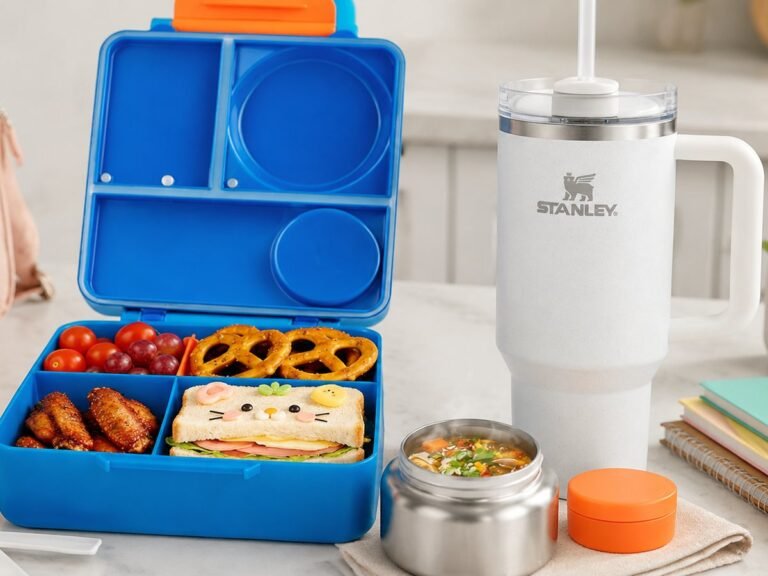
The Sunday Reset Hero: A good bento lunch box solves two problems at once. First, latches designed for small hands mean kids can open it themselves without a teacher’s help, which means they actually eat. Second, bento compartments keep foods separated, and for the age where touching foods is apparently catastrophic, this is genuinely important. The leak-proof seal around the lid means that even if the bag gets jostled on the bus, the backpack interior stays clean. You will not be pulling a soggy homework folder out of the bag at 3 PM.
Pack it the night before (once the backpack system is running, this takes about four minutes), stick it in the fridge, and grab it on the way out the door. That’s the whole routine. It’s simple enough that kids can participate in packing their own lunch if you give them two options to choose from. That bit of ownership makes them way more likely to eat what’s inside.
The payoff: When lunch is in something they can open themselves, they eat it. Less hunger, less afternoon meltdown, fewer rough after-school hours for everyone.
The time-save: One contained bento unit to pack instead of three or four separate containers means faster morning prep and less to lose or forget.
The relief: Leak-proof design means the backpack interior stays dry and clean for the whole year. That alone is worth every penny of the price.
Fair warning: Bento boxes shine for cold lunches. If your kid needs a hot meal, pair this with a small thermos. It adds one step to packing but the base system still works beautifully.

Now they’re eating lunch and the backpack interior is surviving. The next thing most families deal with: the water bottle that keeps disappearing.
The Hydration Game-Changer: One Less Thing to Chase Down
My son lost water bottles at a rate that genuinely alarmed me. Not broke them, not left them at school intentionally, just gone. We were replacing them every couple of weeks. Then we switched to an insulated stainless steel bottle with a straw lid and the disappearing act stopped. I honestly think it’s because he cared more about a nicer bottle. Or stainless steel is harder to casually misplace. Either way, mystery solved.
Why it makes mornings easier: An insulated bottle keeps water cold for hours, which sounds like a nice feature but actually changes behavior. Kids drink cold water. They ignore warm water sitting at the bottom of their bag. A bottle that stays cold gets used, gets refilled, and gets brought home. A straw lid prevents the kind of spills that soak the homework folder and ruin everything else in the backpack. And a simple push-button or pop-up straw means kids can refill at the school fountain completely on their own without tilting a wide-mouth bottle, spilling on themselves, or needing help from a teacher.
After spending an afternoon reading through reviews on this category, here’s what I kept seeing: the straw lid is the feature parents credited most for making water bottles work for school-age kids specifically. No tilting, no wide-mouth opening, just sip and go. That independence matters more than the insulation spec, honestly.
The flow-maker: Water that stays cold all day means kids actually stay hydrated and bring the bottle home reliably instead of abandoning it in the cafeteria.
The game-changer for mornings: A secure straw lid spill-proofs the backpack interior so one tipped bottle doesn’t undo the whole system you’ve built.
The time-save: Kids refill independently at school, which means one less thing they need adult help for and one fewer interruption to their day.
One thing to know: Stainless steel insulated bottles are heavier than plastic. For younger kids with smaller bags, check the weight before buying.

Bag organized. Lunch getting eaten. Water bottle actually coming home. The morning side of the equation is running. But here’s what was still falling apart in our house: the after-school hour and the homework chaos that came with it.
The After-School Flow Maker: Where Homework Actually Gets Done
The homework problem in our house was never willingness. My kids will sit down and do homework when they actually sit down to do it. The problem was the sitting-down part. Finding a pencil that works. Locating the right folder. Tracking down the paper that needed to be signed. By the time everything was assembled, we’d lost 20 minutes and someone was in a spiral.
The Routine Payoff: A dedicated desktop homework organizer fixes the after-school sequence completely. Everything goes in the same place every single day: pencils in the cup, active homework in the file slot, papers to be returned in the labeled folder. When kids know exactly where to look for every supply and every paper, they can set up and start homework in under two minutes. I am not exaggerating. Watching my son go from a 20-minute “getting ready” routine to sitting down and starting in under two minutes was one of the most satisfying school-year moments I’ve had. The key is giving the station a permanent home on a desk or table, not moving it around, and keeping it stocked so there’s never a reason to wander off looking for something.
The win: A homework spot with all supplies visible means the transition from “bag down” to “homework started” takes minutes, not an hour of stalling and circling.
The relief: File folder slots give each kid’s papers a home, which means you stop finding important forms crumpled at the bottom of a backpack two days after they were due.
The habit-builder: A consistent homework station builds the after-school routine over time. By October, they’ll sit down automatically without you prompting them.
Skip this if: Your kids do homework at the kitchen table and you have no dedicated desk space. This works best when it has a permanent spot and isn’t moved around.

Papers filed, homework done. Now let’s talk about the part that either saves the whole morning or sinks it completely: what happens the moment they walk in the door after school.
The Entry System Hero: Where Everything Has a Home
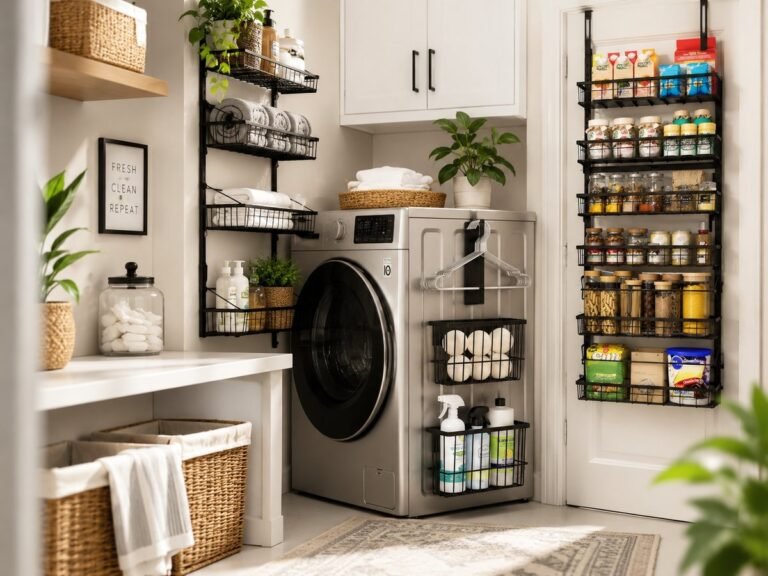
I know this one feels like a home organization purchase, not a back to school purchase. But hear me out: your entire morning routine lives or dies at the entryway. If bags get dropped on the floor, shoes end up under the couch, and jackets drape over every chair, you’re starting the morning scramble from scratch every single day. But when everyone has a hook and a cubby the moment they walk in, the whole machine clicks together.
The Sanity-Saver: A wall-mounted entryway organizer with dedicated spots for each kid is the piece that makes everything else sustainable. Bags go straight to their hook. Shoes go in their cubby. Not “somewhere near the door.” Their spot. That one daily habit, bag on hook, shoes in cubby, is what turns the morning bag check from 15 minutes of chaos into a 30-second scan. After going down a rabbit hole of reviews and mom forums on this category, here’s what I kept seeing: wall-mounted beats floor units every time because kids can’t knock it over or shove it out of the way. Hooks at kid height matter more than hooks at adult height. And visible, labeled spots make the system obvious enough that kids follow it without daily reminders from you.
The payoff: When everything has an assigned spot, morning readiness stops being something you supervise and becomes something kids do on autopilot without prompting.
The time-save: Wall mounting keeps the floor clear so the morning walkout is faster and “where are your shoes” stops being a daily conversation you have before 7:30 AM.
The relief: Once kids are in the hook habit, you stop losing backpacks, jackets, and sports gear to the “I don’t know where I left it” spiral.
The honest trade-off: Installation means putting hardware in the wall. Budget 30 minutes and the right anchors for your wall type. It’s a one-time project that pays off every school morning for the next several years.

Bags hung, shoes stored, homework done. The final piece is making sure the whole family, not just the kids, knows what’s happening this week so schedule surprises stop catching you off guard.
The Weekly Sync Factor: When Everyone Knows the Plan
Here is my favorite September nightmare story: I did not know it was picture day. My son had been wearing the same gray hoodie for a concerning number of days in a row and that was the day he needed to look like a recognizable human being. Not because he was unprepared. Because I was the only person in the house holding the school calendar in my brain and I had dropped the ball.
This is the mental load problem nobody talks about with back to school: all the schedule information lives in one parent’s head and the rest of the family shows up and asks questions.
Why This Earns Its Spot: A large family wall calendar with a magnetic whiteboard surface, mounted somewhere visible in your kitchen or hallway, closes that gap. Sports practice Tuesday. Early dismissal Thursday. Picture day Friday. Permission slip due by Wednesday. When it’s on the wall, everyone in the family can see the week without asking you. Thousands of mamas swear by this one and after reading through the reviews I completely understand why. You can write and erase as the schedule shifts. You can stick the permission slip right on the board so it’s visible until the day it’s due. You can add the weekly dinner plan in a different color so it’s visually distinct from the school schedule. When the whole family shares the same view of the week, you’re not the only one carrying all the information in your head. That mental load reduction is real and it matters more than any single product on this list.
The win: A visible family calendar means schedule surprises go from weekly to rare. Picture day, field trips, and school events stop catching you off guard.
The flow-maker: When kids can see the week’s plan without asking you, they start self-organizing around it. Mine check it on the way out the door in the morning without me asking them to.
The game-changer for mornings: The magnetic surface lets you post permission slips and notes right on the calendar, visible until they’re handled, then gone.
Real talk: This only works if you keep it updated. Build a Sunday evening reset into your routine, five minutes to post the week ahead, and it stays useful all year long. Let it go for two weeks and it becomes expensive wall art.

The Back to School Morning That Actually Works
Remember that first Tuesday in September? Backpack in the car. No homework folder. Lunch box with yesterday’s leftovers. Nine minutes until the bus.
Here is what that Tuesday looks like in our house now.
The backpack was hung on the entryway hook the moment she walked in yesterday afternoon. Homework happened at the station, the permission slip got signed, and I stuck it right on the family calendar so neither of us would forget it overnight. The lunch box was rinsed, repacked, and back in the bag by 7 PM because the routine is obvious and the supplies are always in the same spot. The water bottle is on the counter, full and ready. And when I glanced at the calendar this morning, I saw that today is picture day and my son is wearing something that is definitively not a gray hoodie.
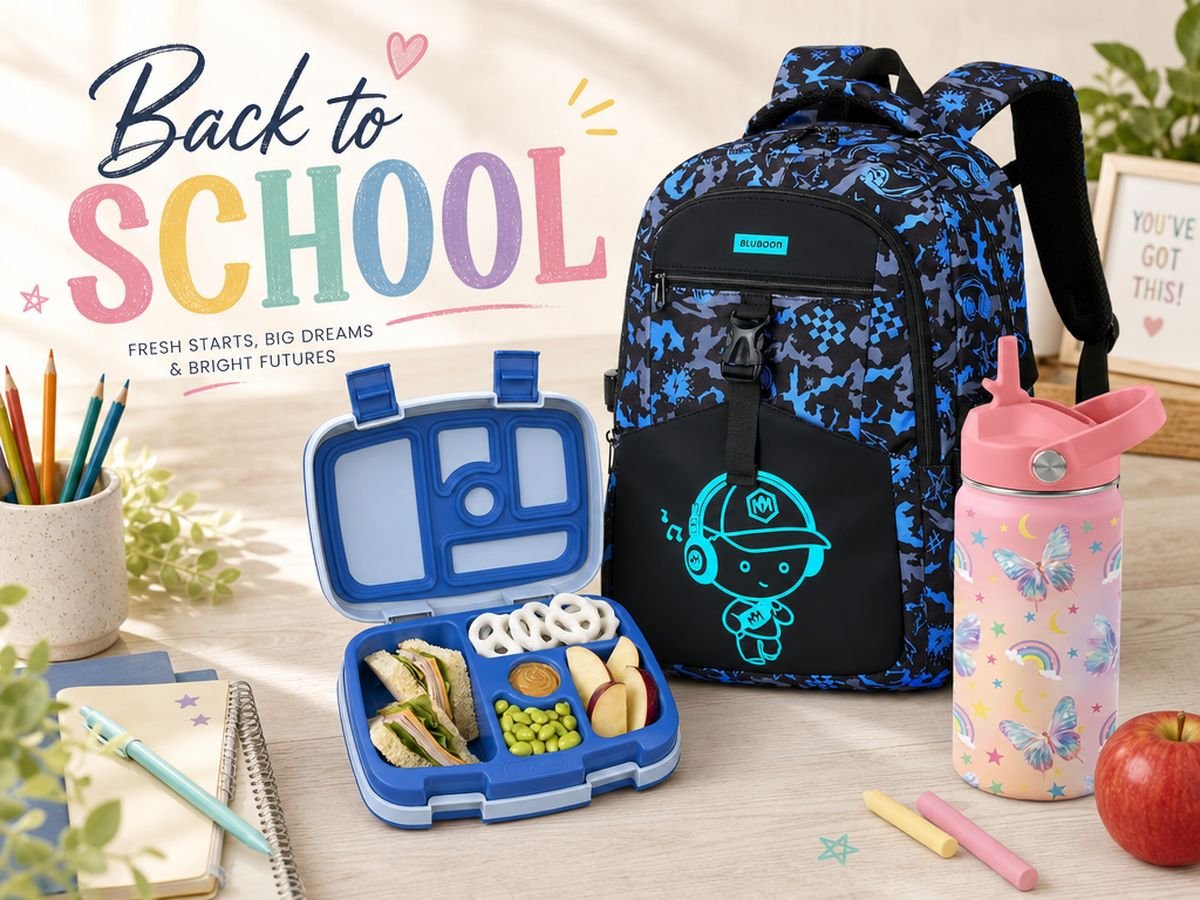
That’s the system: a backpack they can manage independently, a lunch box they can open at school, a water bottle that stays cold and comes home reliably, a homework station where papers have a real home, an entryway where every bag and shoe has its own assigned spot, and a family calendar that keeps all of us on the same page. Each piece solves one part of the morning problem. Together they build mornings that actually run instead of mornings you survive.
You don’t have to do all six at once. Start with the entryway organizer and the backpack system, and watch the morning friction drop noticeably. Add the homework station when the after-school hour starts getting rough. Add the calendar when you realize you’re the only one in your house who knows what’s happening this week. Build it one piece at a time and let the system grow with your family’s needs.
But I promise you: once you have a real system in place, back to school mornings stop being something you brace for and start being something you can actually feel good about. That’s a total mom win, and you absolutely deserve it.
You’ve got this, mama!
I’d love to hear which piece of this system your family needs most right now. Drop it in the comments! And if you’re building out the rest of your family’s daily routine, check out my posts on morning routine tips and screen-free activities for kids for more ideas that work with real family life.
Don’t forget to pin this article!